For Wilshire Baptist Church
So, what did you do with your extra hour late Saturday or early Sunday? Did you enjoy an extra hour of sleep? Did you churn out another hour of work? Did you stay out an hour later and play? Or did you take a time out?
But before you answer that, how’d it go turning all your clocks back an hour? That in itself can eat up some of that bonus hour. At our house, we start in the kitchen where two stoves and a microwave blink the digital time. The mystery to us is that while all three are the same brand and were bought on the same day, each has its own procedure for setting the clock. The microwave is the hardest because you have to push Start several times to select a.m. or p.m. I don’t know why a microwave needs to know macro time. And while we’re setting the hour backward, the minutes are still moving forward, so getting the three clocks synced becomes a race against time.
After that, we have two battery-powered shelf clocks, clocks in both our cars, the garage door opener, sprinkler system, two thermostats and three security system panels. Those are all easy except for the security panels, which require some special codes and a firm grasp of military time. It would be easier if we did that in the morning when you only have to count to 12.
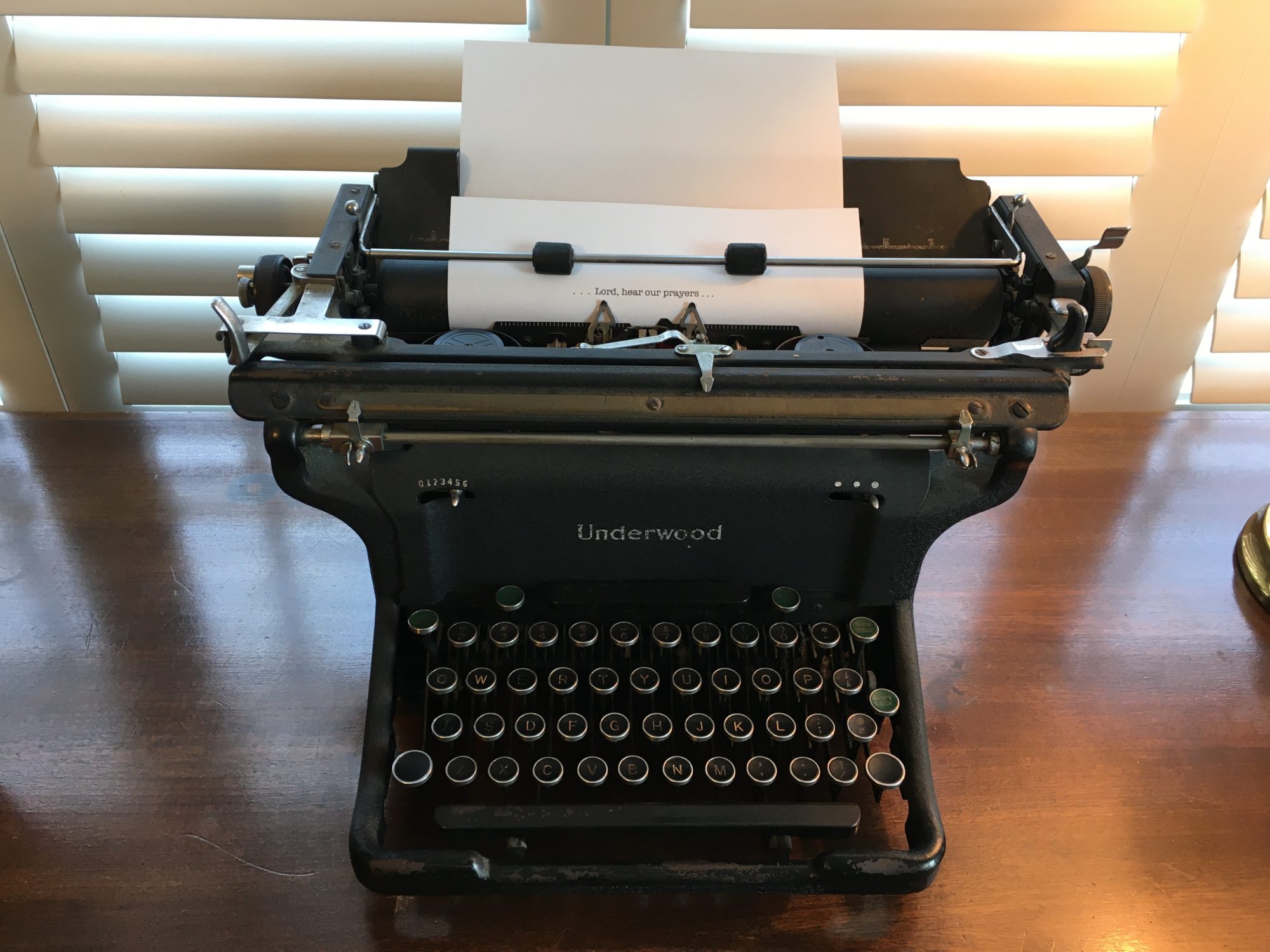
And finally, we have three antique clocks that are the easiest to change but require more time and patience. In the spring when we jump ahead one hour, it’s just a matter of pushing the minute hand around clockwise one hour. In the fall, when we drop back one hour, it’s a different story. Clocks of a certain age can’t be pushed backwards without hurting the works. That leaves two options: move the hands forward 11 hours, stopping at each hour and half hour to let the clock chime, or simply stop the clock and give it a rest for an hour. On two of the old clocks, that means stopping the pendulum. On the third, I take off the brass back and gently touch the flywheel until it stops spinning.
During that hour, the house is quiet while the clocks are at rest – their gears not clunking, their springs not unwinding, their ticks not tocking. Of course, if life is buzzing along as usual with the TV on, the washer and drier spinning, and conversation filling up the room, then you don’t notice the quiet.
Wouldn’t it be great if we could spend the extra hour we get like those old clocks: stop our swinging pendulums, pause our spinning flywheels, and just be still and quiet for an hour? The extra hour is a gift of sorts, and it seems like it should be used in a special way. Most times I’ve probably squandered the time by filling it up with more “me” stuff, but isn’t there a better way?
This year, I stopped the old clocks at 11:00 and got ready for bed, and then with a nudge of my finger I restarted them at midnight, which in the new timeframe was the new 11:00. That’s when we went to bed, reading and listening to quiet music before turning off the lights. LeAnn went through her nightly ritual of listing her daily blessings in a spiral notebook. I made some random notes on my iPad about this, that and the other. We read from a daily devotional book by Madeleine L’Engle that we’ve been passing back and forth all year long. That felt like an extra hour well spent.
The annual time change is behind us now and we won’t have that opportunity for another year. Although there’s probably nothing to keep most of us from setting aside an hour every so often and spending it being quiet and still. You wouldn’t stop the clock; you might just turn your back on it for an hour. Besides, the world will be waiting for you when you get back to it, and God might be waiting for you in that hour. And when the hour is up, perhaps God will reach out a finger, nudge our pendulums and flywheels, and say, “That’s good, now you can go back to it.”